Be yourself; Everyone else is already taken.
— Oscar Wilde.
This is the first post on my new blog. I’m just getting this new blog going, so stay tuned for more. Subscribe below to get notified when I post new updates.
Be yourself; Everyone else is already taken.
— Oscar Wilde.
This is the first post on my new blog. I’m just getting this new blog going, so stay tuned for more. Subscribe below to get notified when I post new updates.


http://dralisonblock.com/5-factrs-that-promote-reslience/

PLC Reflection #5: “In a classroom setting, teachers should definitely promote resiliency to children. Having children socialize with others and establish connections with other children and teachers would have them feel a sense of connectedness. Maybe you can have children play games in which they switch groups and talk to others, have a field day with other classes and teachers involved, etc. Communication is a difficult topic for children learning to share and explain themselves, always remind children to use their voice when they have issues with others. Tied in, mastering control of their small but powerful emotions. One must give children other ways to deal with anger, sadness, etc. whether it be with a book, talking it out, or other alternatives. Confidence can be built by praising children and getting them to be proud of themselves from a young age. And competence and commitment is key in education, instilling the notion that this will get them far in life. You can have activities in which children draw their future goals and share with the class.”
Another interesting website I found on ways to promote the development of resiliency in children:
https://www.psycom.net/build-resilience-children
Author, Hurley, states
And MORE!
Assignment #7:
“…Effective Discipline in Early Childhood, compares a relationship with a child to that of a C.E.O. and a highly respected underling. This comparison was a bit strange to me at first but the scenario made sense as Lansbury explained what she meant. As someone in charge, you are to teach and guide the underling to do things as expected. A parent plays a similar role- they are to mold their child to become proper citizens. In the C.E.O/underling relationship, the C.E.O. does not aggressively reprimand the underling when they do something wrong because they are still learning. We must guide children in the same manner without being rude or harsh. Parents and teacher must learn to control the impulse to last out as children are still learning appropriate behaviors. The suggestion is appropriate, realistic, and practical. It is about learning to control your temper as the adult in charge. We are the ones to set limits on children.”

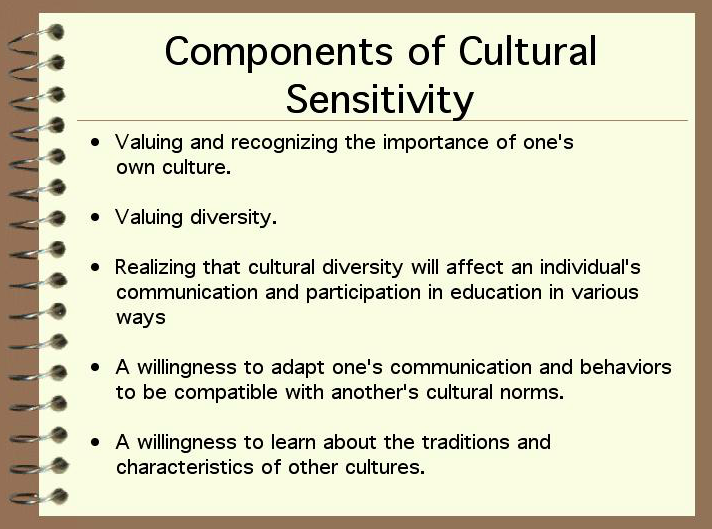
Different ways you can show your students and parents that you value diversity on all levels include:
http://www.excite.com/education/blog/how-to-bring-diversity-in-the-classroom
https://www.nde-ed.org/TeachingResources/ClassroomTips/Diversity.htm
http://www.adlit.org/article/21522/
Communicating cross-culturally can be challenging but it is feasible. Avoid pitfalls by taking the time to educate yourself on your student’s cultural backgrounds. Be weary of varying body language across cultures, expressions. Be kind!
https://iris.peabody.vanderbilt.edu/module/div/cresource/q2/p03/
Everyone could be subject to bias, this website teaches educators on how to “treat all students with dignity and care”.
https://greatergood.berkeley.edu/article/item/four_ways_teachers_can_reduce_implicit_bias
https://secure.understandingprejudice.org/teach/elemtips.htm
https://www.needhelppayingbills.com/html/government_assistance.html
There are many assistance programs to help people pay rent, utilities, phone, and other necessities. This website also links people to free lawyers, and more.
In Florida, you can also seek help from The Florida Department of Children and Families for financial help, income for food, etc. There is Florida Kid Care for children that need and cannot afford insurance.
Autonomy: https://www.goodtherapy.org/blog/how-parents-can-foster-autonomy-encourage-child-development-0704184
Kindergarten and children with disabilities: http://www.readingrockets.org/article/paving-way-kindergarten-young-children-disabilities
Agents of socialization: https://courses.lumenlearning.com/sociology/chapter/agents-of-socialization/
This is an example post, originally published as part of Blogging University. Enroll in one of our ten programs, and start your blog right.
You’re going to publish a post today. Don’t worry about how your blog looks. Don’t worry if you haven’t given it a name yet, or you’re feeling overwhelmed. Just click the “New Post” button, and tell us why you’re here.
Why do this?
The post can be short or long, a personal intro to your life or a bloggy mission statement, a manifesto for the future or a simple outline of your the types of things you hope to publish.
To help you get started, here are a few questions:
You’re not locked into any of this; one of the wonderful things about blogs is how they constantly evolve as we learn, grow, and interact with one another — but it’s good to know where and why you started, and articulating your goals may just give you a few other post ideas.
Can’t think how to get started? Just write the first thing that pops into your head. Anne Lamott, author of a book on writing we love, says that you need to give yourself permission to write a “crappy first draft”. Anne makes a great point — just start writing, and worry about editing it later.
When you’re ready to publish, give your post three to five tags that describe your blog’s focus — writing, photography, fiction, parenting, food, cars, movies, sports, whatever. These tags will help others who care about your topics find you in the Reader. Make sure one of the tags is “zerotohero,” so other new bloggers can find you, too.

 EEC 3408 Tool Box