

3 TOPICS DISCUSSED
Importance of Pay
“Building with the floor blocks and three-dimensional shapes helps develop special perceptions that lead into math, chemistry, physics, and geography. With the proper guidance, these students will develop better cognitive and problem-solving skills. Having the spatial perceptions, mathematics, social development, and more, students will foster that curiosity and desire to learn.Building with the floor blocks and three-dimensional shapes helps develop special perceptions that lead into math, chemistry, physics, and geography.”
5 Factors that Promote Resiliency
http://dralisonblock.com/5-factrs-that-promote-reslience/

PLC Reflection #5: “In a classroom setting, teachers should definitely promote resiliency to children. Having children socialize with others and establish connections with other children and teachers would have them feel a sense of connectedness. Maybe you can have children play games in which they switch groups and talk to others, have a field day with other classes and teachers involved, etc. Communication is a difficult topic for children learning to share and explain themselves, always remind children to use their voice when they have issues with others. Tied in, mastering control of their small but powerful emotions. One must give children other ways to deal with anger, sadness, etc. whether it be with a book, talking it out, or other alternatives. Confidence can be built by praising children and getting them to be proud of themselves from a young age. And competence and commitment is key in education, instilling the notion that this will get them far in life. You can have activities in which children draw their future goals and share with the class.”
Another interesting website I found on ways to promote the development of resiliency in children:
https://www.psycom.net/build-resilience-children
Author, Hurley, states
- promote healthy risk taking
- resist the urge to fix it and ask questions instead
- teach problem solving skills
- label emotions
- demonstrate coping skills
- embrace mistakes
And MORE!
Discipline
Assignment #7:
“…Effective Discipline in Early Childhood, compares a relationship with a child to that of a C.E.O. and a highly respected underling. This comparison was a bit strange to me at first but the scenario made sense as Lansbury explained what she meant. As someone in charge, you are to teach and guide the underling to do things as expected. A parent plays a similar role- they are to mold their child to become proper citizens. In the C.E.O/underling relationship, the C.E.O. does not aggressively reprimand the underling when they do something wrong because they are still learning. We must guide children in the same manner without being rude or harsh. Parents and teacher must learn to control the impulse to last out as children are still learning appropriate behaviors. The suggestion is appropriate, realistic, and practical. It is about learning to control your temper as the adult in charge. We are the ones to set limits on children.”

Diversity in Classroom
Different ways you can show your students and parents that you value diversity on all levels include:
- incorporating different teaching styles
- celebrate diversity
- equal access to opportunities
- diverse learning materials
http://www.excite.com/education/blog/how-to-bring-diversity-in-the-classroom
- learn about students individually
- let students learn about diversity amongst each other
- no bullying zone
https://www.nde-ed.org/TeachingResources/ClassroomTips/Diversity.htm
- promote family involvement
- good communication with parents
- defined parent-teacher roles
http://www.adlit.org/article/21522/
Communicating Cross-Culturally
Communicating cross-culturally can be challenging but it is feasible. Avoid pitfalls by taking the time to educate yourself on your student’s cultural backgrounds. Be weary of varying body language across cultures, expressions. Be kind!
- listen empathetically
- cultural interpreters
- take advantage of available resources to educate yourself http://iteslj.org/Articles/Pratt-Johnson-CrossCultural.html
- Acknowledge and respect different cultural heritages
- Teach students to understand and appreciate their own and others’ cultural heritages
- Recognize the strengths and contributions of individuals from historically underrepresented groups
- Activate students’ prior knowledge and connect what they know to what they are learning
- Use a wide variety of instructional techniques (e.g., role-playing exercises, storytelling) that align with the way in which the student is taught in his or her own culture
- Expand the traditional curriculum to ensure that diverse perspectives are embedded by incorporating multicultural knowledge, resources, and materials in all subjects
https://iris.peabody.vanderbilt.edu/module/div/cresource/q2/p03/
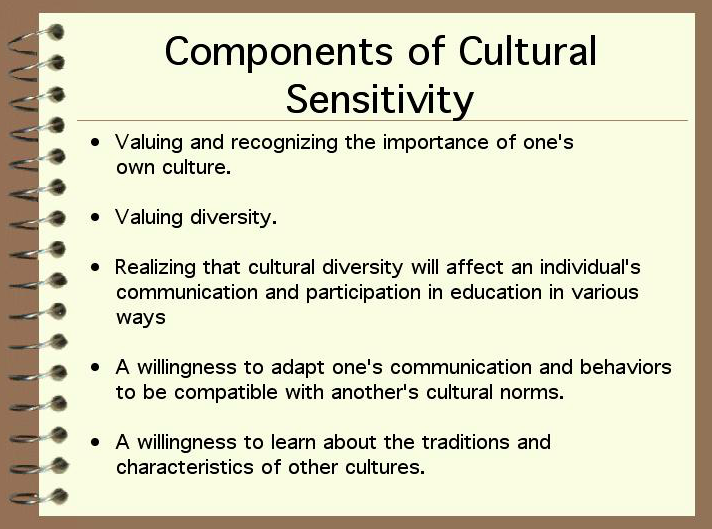
Increase Overall Cultural Awareness
- communication
- observation and sensitivity
- flexibility
- self-awareness
- ask questions
Counteract Bias Towards Others
Everyone could be subject to bias, this website teaches educators on how to “treat all students with dignity and care”.
- cultivate awareness of their bias
- work to increase empathy
- practice mindfulness
- cross-group friendships
https://greatergood.berkeley.edu/article/item/four_ways_teachers_can_reduce_implicit_bias
- make sure classroom material is inclusive and diverse
- answer children’s questions directly, use it as teaching moment
- do not ignore discriminatory behavior
- be a role model
https://secure.understandingprejudice.org/teach/elemtips.htm
RESOURCES FOR FAMILIES
https://www.needhelppayingbills.com/html/government_assistance.html
There are many assistance programs to help people pay rent, utilities, phone, and other necessities. This website also links people to free lawyers, and more.
In Florida, you can also seek help from The Florida Department of Children and Families for financial help, income for food, etc. There is Florida Kid Care for children that need and cannot afford insurance.
Additional Tools
Autonomy: https://www.goodtherapy.org/blog/how-parents-can-foster-autonomy-encourage-child-development-0704184
Kindergarten and children with disabilities: http://www.readingrockets.org/article/paving-way-kindergarten-young-children-disabilities
Agents of socialization: https://courses.lumenlearning.com/sociology/chapter/agents-of-socialization/
 EEC 3408 Tool Box